The universe, life and what it is to be a human being
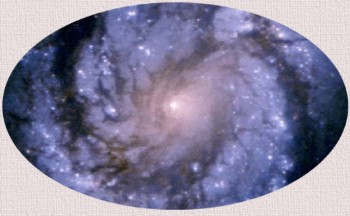
Galaxy M 100 as seen by the Hubble Space Telescope. M 100 is a spiral galaxy and one of the
brightest in a rich galaxy cluster called the Virgo cluster.
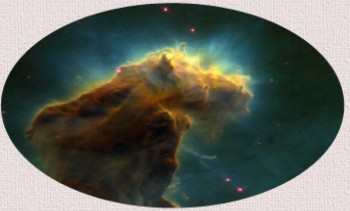
This unusual nebula is the tip of a column of gas and dust in the star-forming
nebula M16. The pillar is slowly being eroded by the ultraviolet light from nearby stars. These pillars are columns of cool interstellar gas
and dust that serve as incubators for new stars.
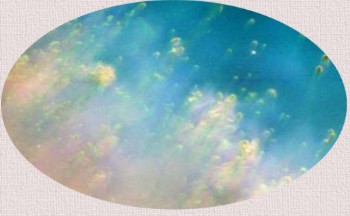
Some scientists estimate that our sun will die about 9 billion years from now and
will eject a giant bubble of gas like this. This enlarged section of the Helix Nebula reveals details never seen before. It contains a
multitude of tadpole-shaped gaseous objects that probably were formed by instabilities in the ejected gas.
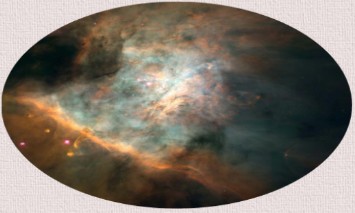
The Orion Nebula is a star-forming region in the constellation Orion. Astronomers
have found at least 153 protoplanetary disks, which are believed to be embryonic solar systems where planets will form. Each vibrant colour
corresponds to a different gas within the nebula.
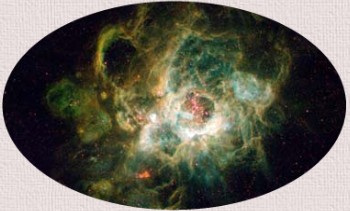
A vast nebula called NGC 604, which lies in the neighbouring spiral galaxy M33,
located 2.7 million light-years away in the constellation Triangulum. At the heart of NGC 604 are over 200 hot stars, much more massive than
our Sun.